Training & Preparation

Ten weeks of intensive preparation before anyone takes responsibility for a classroom, in two stages.

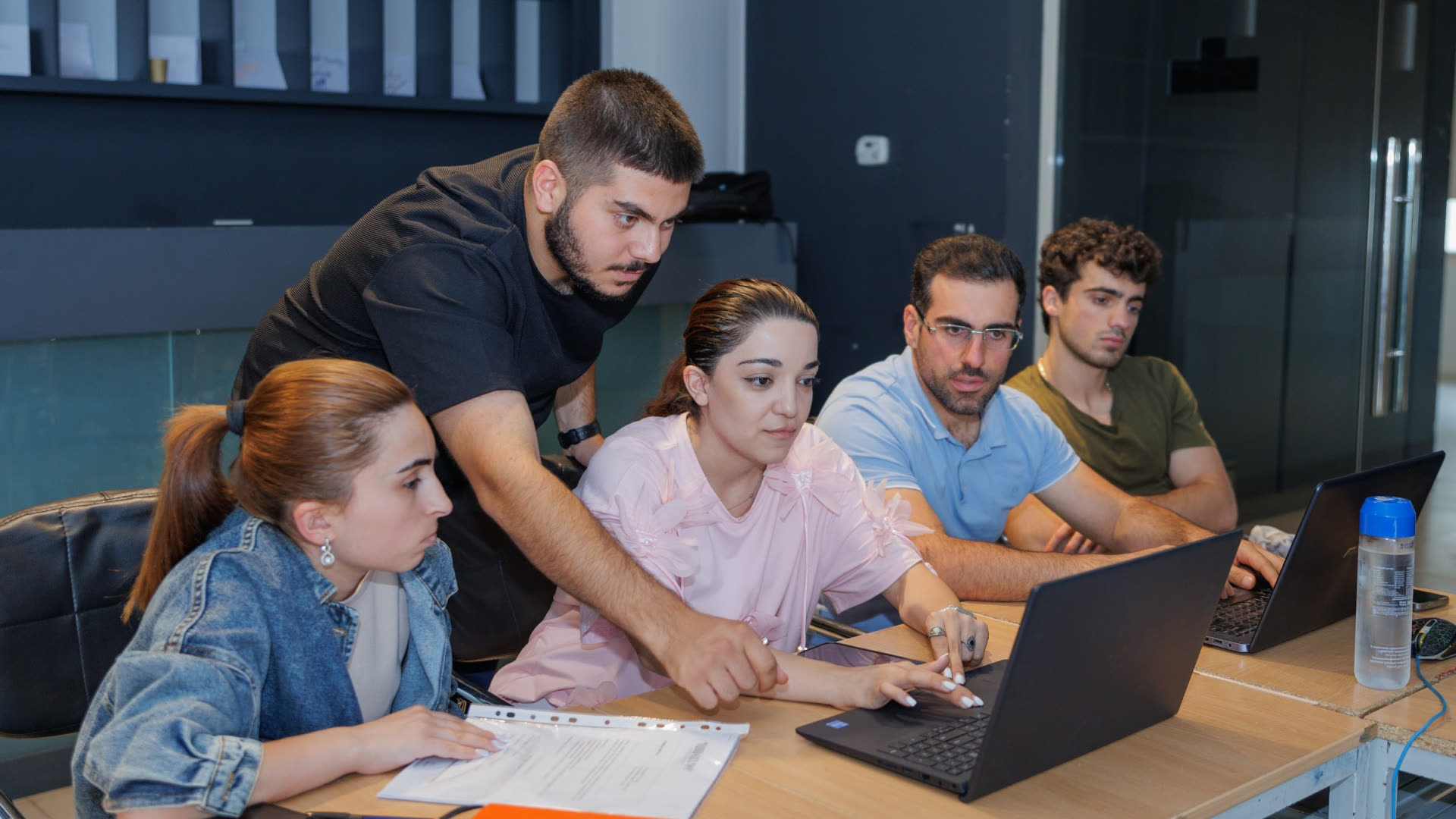
Online Pre-Service Training: 3 Weeks

All incoming candidates complete three weeks of foundational training, building the habits, shared language, and professional readiness the work requires:

  • Instructional practice: the fundamentals of lesson planning, pacing, assessment, and what actually drives student learning
  • Classroom leadership, building culture, setting high expectations, managing behavior with dignity, and creating safe, structured learning environments
  • Child development: how children learn, how stress and trauma affect learning, and how to support students academically and emotionally
  • Systemic change, recognizing nationwide barriers in Armenia's education system and learning to respond without lowering standards
  • Ethical leadership: the responsibility and professionalism required when you hold influence over children's futures

Pre-Service Training is also a selection stage. Candidates who successfully complete it are invited to continue to the Teacher Leadership Academy.

Teacher Leadership Academy: 7 Weeks

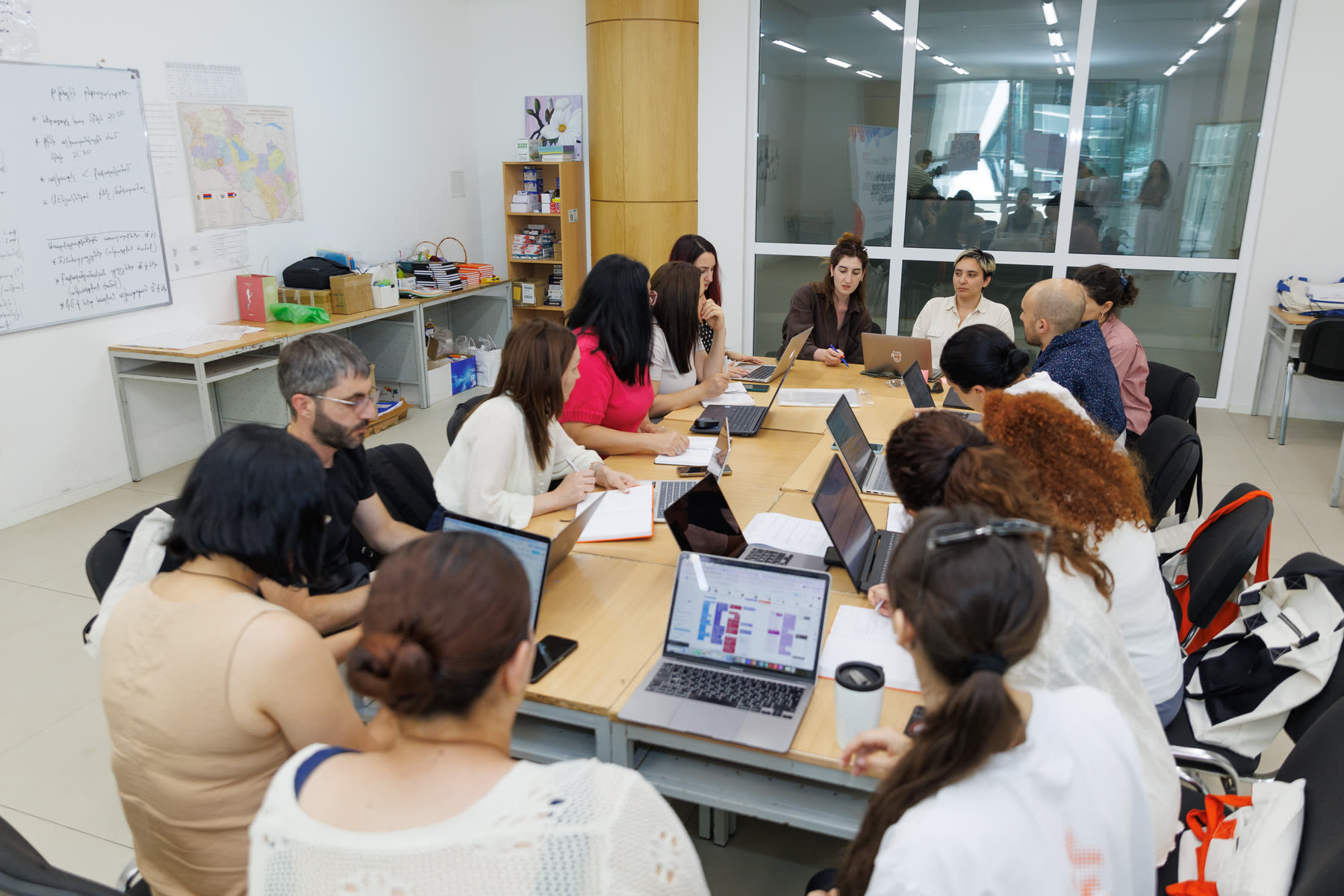
The Academy is where the fundamentals become practice. Over seven weeks, Teacher Leaders:

  • Plan and teach real lessons to real students, with structured feedback after each one
  • Build and lead a classroom culture, including social-emotional learning
  • Learn Change-Based Learning and how to develop student leadership
  • Practice communication, problem-solving, and collaboration with colleagues and families
  • Prepare for the demands ahead: well-being, resilience, and sustainable practice
  • Complete regional orientation for their placement community

Teacher Leaders who successfully complete the Academy receive a state-recognized 30-credit certificate, qualifying them to teach in Armenia's public schools.

Training across both stages is led by our Leadership Development Team, alongside veteran school leaders and Alumni-Ambassadors who have taught in the same regions.

Two Years of Service

Training matters. Service is where leaders are formed.

For two full years, Teacher Leaders:

  • Teach full-time in high-needs public schools, carrying full responsibility for their students' learning and growth
  • Serve in communities where educational disparities are most visible, often rural or border regions
  • Work with limited resources and real responsibility, learning to execute, adapt, and lead without waiting for perfect conditions
  • Set a different standard for what public education can be, through strong instruction, high expectations, and consistent follow-through

This is where leadership stops being theoretical. In a real classroom, every day brings decisions that matter.

Program Structure

Program Pillars Year 1. Teaching Foundations

In the first year, Teacher Leaders focus on building strong classroom practice and developing the habits of reflective, student-centered educators. Through coaching, peer learning, and practice-based modules, they learn to teach with purpose, grow with curiosity, and lead from the classroom. This year lays the groundwork for all forms of teacher leadership, cultivating the mindset, skills, and confidence to create meaningful learning experiences for every student.

Pillar 1: Lead Students

Alumni Pathway Track: School Transformation

Pillar 2: Lead Self

Alumni Pathway Track: Public Policy and Research

Pillar 3: Lead Community*

Alumni Pathway Track: Social Innovation

1. Teach with Purpose

(Build strong, student-centered classroom practice)

“I create a learning environment where all students can grow and feel seen.”

What this includes:

  • Foundations of instructional design (goals, scaffolding, assessment)
  • Building inclusive, engaging classroom culture
  • Managing time, space, and student behavior with clarity and care
  • Beginning to understand what excellent teaching looks like and how to move toward it

This is the root of all teacher leadership: being a good teacher first.

2. Learn with Curiosity

(Develop reflective habits and professional identity)

“I take ownership of my growth by reflecting on my practice and learning from others.”

What this includes:

  • Self-reflection and growth mindset
  • Goal setting and inquiry into your own teaching
  • Feedback cycles with mentors or peers
  • Building your identity and voice as a teacher

Leadership starts with self-awareness and learning from experience.

3. Lead from the Classroom

(Begin taking initiative and influencing beyond yourself)

“I take small actions to improve my school and support others.”

What this includes:

  • Noticing needs beyond your own classroom
  • Sharing strategies, supporting a colleague solving a problem
  • Contributing to your school community
  • Thinking systemically: “Why is this happening? What can I do?”

Leadership doesn’t require a title; it grows from contribution.

Pillar 1 Support

Pillar 2 Support

Pillar 3 Support

  • Self-guided modules
  • Education summits
  • Lesson observation and reflection
  • Ongoing coaching and mentorship
  • Teacher Leader Peer exchange workshop
  • Peer learning communities
  • Subject Support Communities
  • Change-based learning
  • School engagement
  • Parental engagement
  • Provide platforms and opportunities to grow professionally

Program Pillars Year 2. Deepening Impact

In the second year, Teacher Leaders expand their influence beyond their classrooms to schools, systems, and communities. Through specialized Learning Communities, focusing on School Transformation, Public Policy and Research, and Social Innovation, they deepen their understanding of systemic change and develop the capacity to lead it.

This year also serves as a bridge toward Alumnihood, supporting participants in shaping their professional identity, exploring future career pathways, and preparing for continued impact beyond the two-year program: as educators, policymakers, innovators, and changemakers in Armenia’s education ecosystem.

School Transformation

Public Policy and Research

Social Innovation

Transform Schools with Purpose

(Lead change through collaboration and growth culture)

“I foster a culture of learning, collaboration, and well-being across my school.”

What this includes:

  • Analyzing the roots of resistance to change within school systems and designing strategies to overcome them.
  • Building a growth mindset culture among teachers and students through structured reflection and feedback practices.
  • Creating a supportive, inclusive school environment through social-emotional learning and well-being frameworks.
  • Promoting collaboration among teachers and students, strengthening professional community and shared learning.
  • Developing meaningful partnerships with parents to support holistic student and school development.
  • Applying the Serund school evaluation model to assess and guide school improvement.

Transforming a school begins with transforming mindsets: one teacher, one student, one culture at a time.

Lead with Inquiry

(Understand systems and influence change through evidence and collaboration)

“I use research and data to inform decisions and advocate for equitable education policies.”

What this includes:

  • Gaining foundational understanding of public policy: how it shapes education systems and drives change.
  • Strengthening analytical, research, and leadership skills to explore education policy challenges.
  • Engaging in collaborative research projects that generate actionable insights for school and system improvement.
  • Practicing evidence-based thinking and data-informed decision-making.
  • Co-developing policy recommendations rooted in real classroom and community experience.

Leadership grows deeper when inquiry meets action: when teachers become researchers of change.

Innovate for Impact

(Create and lead solutions that drive social change)

“I identify challenges in my community and design innovative solutions to address them.”

What this includes:

  • Building a foundational understanding of social innovation and social entrepreneurship.
  • Generating creative ideas to address educational and community-based challenges.
  • Strengthening soft and leadership skills: communication, collaboration, and problem-solving.
  • Preparing and delivering persuasive pitches that clearly articulate project goals, value, and potential impact.
  • Applying innovative approaches to create lasting social value within schools and communities.

Innovation starts with empathy, seeing a need, imagining a new way, and acting to make it real.

Pillar 1 Support

Pillar 2 Support

Pillar 3 Support

  • Self-guided modules and resources
  • ALP learning communities
  • Ongoing coaching and mentorship
  • Education Summits
  • Teacher Leader Peer Exchange Workshops
  • Self-guided modules and resources
  • ALP learning communities
  • Ongoing coaching and mentorship
  • Education Summits
  • Teacher Leader Peer Exchange Workshops
  • Self-guided modules and resources
  • ALP learning communities
  • Ongoing coaching and mentorship
  • Education Summits
  • Teacher Leader Peer Exchange Workshops

Timeline and Sequence

YearMonthPriority Focus Areas

Year 1

September

  • Community Adaptation
  • Establishing Classroom Culture
  • Diagnostic Assessments (SGL: Module 1)

October

  • Data Analysis and Data-Driven Goal Setting
  • Direct Instruction Lesson Planning SGL Module 2
  • Teacher Leaders' Peer Exchange Workshop

November

  • Subject support
  • SGL 3: Classroom Culture Reassessment
  • Education Summit I

December

  • Subject Support
  • End of Semester Reflections

January

  • Semester planning
  • Subject Support
  • Change Based Learning Project Planning

February

  • Subject Support
  • SGL 4: Social Emotional Learning
  • CBL Project Implementation

March

  • Teacher Leaders' Peer Exchange Workshop II
  • Subject support
  • CBL Project Implementation

April

  • Subject support
  • CBL Project Implementation
  • SGL5 : Data Driven Education: Summative Assessments

May

  • Implement Summative Assessments
  • Education Summit II
  • Subject support
  • CBL Project Implementation
  • SGL 6: End of Academic Year Reflections

June

  • Academic-year reflections
  • SLIP implementation
  • Subject Support Summative Assessment

July

  • Internship Commitment
  • Alumni Leadership Pathway Track
  • School Transformation (Seroond)
  • Public Policy & Research (Policy Lab)
  • Social Innovation (Káits Incubator)

August

  • Complete SLIP projects' impact and financial reports
  • Introductory workshops for Alumni Leadership Pathways tracks

Year 2

September

  • Subject Support
  • Establishing classroom culture & norms
  • Diagnostic Assessments

October

  • Subject Support
  • SGL 7: Inclusive Education
  • Teacher Leaders' Peer Exchange Workshop

November

  • Launch extracurricular activity
  • Education Summit I
  • Voluntary Attestation
  • Engaging students in opportunities
  • Facilitate this session at school SGL 3: Classroom Culture Reassessment
  • •Participate in Teach For All Global Learning Communities, sessions, and events

December

  • Semester learning consolidation

January

  • Semester planning
  • Alumni Leadership Pathways track kickstart

February

  • Planning of CBL Extracurricular Activity
  • Alumni Leadership Pathway sessions
  • Facilitate this session at school SGL 4: Social Emotional Learning

March

  • Participate in Teacher Leaders' Peer Exchange Workshop II
  • Alumni Leadership Pathway sessions
  • Implementation of CBL Extracurricular Classes with colleagues

April

  • SGL5 : Data Driven Education: Summative Assessments
  • Alumni Leadership Pathway sessions

May

  • Alumni Leadership Pathway sessions
  • Implement Summative Assessments
  • Education Summit
  • CBL Project Implementation
  • SGL 6: End of Academic Year Reflections

June

  • Reflection on Year 1 and Year 2 portfolio

Note: Throughout the two year program, Teacher Leaders receive ongoing coaching and mentorship from Leadership Development Managers as well as classroom-based guidance from the Teaching support specialist. Weekly team meeting and monthly 1:1 with LDMs.

Support Throughout

Teacher Leaders are supported continuously across both years: in their teaching, their leadership, and their well-being.

Individual coaching.

A dedicated Leadership Development Manager provides regular one-on-one coaching, team meetings, and progress reviews.

Classroom support.

Regular observations come with lesson-planning support, practical feedback, and clear next steps.

Professional learning.

Self-guided modules, backed by office hours, in lesson planning, assessment and data-informed instruction, classroom culture, inclusive education, Change-Based Learning, social-emotional learning, leadership and professional identity, and family and community engagement.

Subject-specific support.

Specialists provide subject-based resources, teaching strategies, and preparation for Armenia's voluntary teacher attestation process.

Conferences and peer learning.

Education conferences and peer-learning workshops connect Teacher Leaders with alumni, experts, and one another.

Summer Leadership Experience.

Between Year 1 and Year 2, Teacher Leaders complete an approved internship aligned with one of Teach For Armenia's three Alumni Pathways: an early chance to explore where the work leads next.

The 1+1 contract model

Teach For Armenia is a two-year, full-time commitment, and we select candidates who intend to complete both years. Placements follow a 1+1 contract model: after the first academic year, participants decide whether to continue into Year 2. Those who leave at that point do so without financial penalty, but they will not have completed or graduated from the two-year program.